Find Your Profession › Tank Wash Chemicals & Equipment
Tank Wash Chemicals & Equipment
Tough Soils Cost Depots Time, Water, and Repeat Washes. Show Them the Chemistry That Solves It.
When a wash operator can't get a soil out, a catalog doesn't help; someone who has solved it before does. Thoughtful marketing for tank wash chemical and equipment suppliers puts that expertise in front of operators before they ever pick up the phone.

Overcoming Marketing Challenges
Is Your Website Helping People Choose You?
Start with an honest look at your website. Not a glance — the kind of look you'd give a soil sample before you recommend anything. Open it on your phone the way a terminal manager does, standing beside a trailer that has been through the bay twice and still isn't clean. How is it built? Does it tell him which soils you solve, by cargo and by residue rather than by product family? Does it show what you actually make, what you sell and service, and where your safety data sheets live? Does it look like the company that has spent decades solving problems nobody else could, or like a logo strip and a phone number from years ago?
Most websites in this profession technically check the box. There's a product list, a brand strip, a contact form. And that's the problem: a catalog assumes the operator already knows the part number, and most of the time he only knows what isn't working. A site that only exists is an expense. A site that answers, reassures, and invites is an asset. We've walked this road with enough companies like yours to know the gap rarely has anything to do with the quality of your chemistry or your engineering.
And if your company doesn't have a website yet, you're in a better position than you might think: there's nothing to undo, and every missed opportunity below can be designed out from the first day.
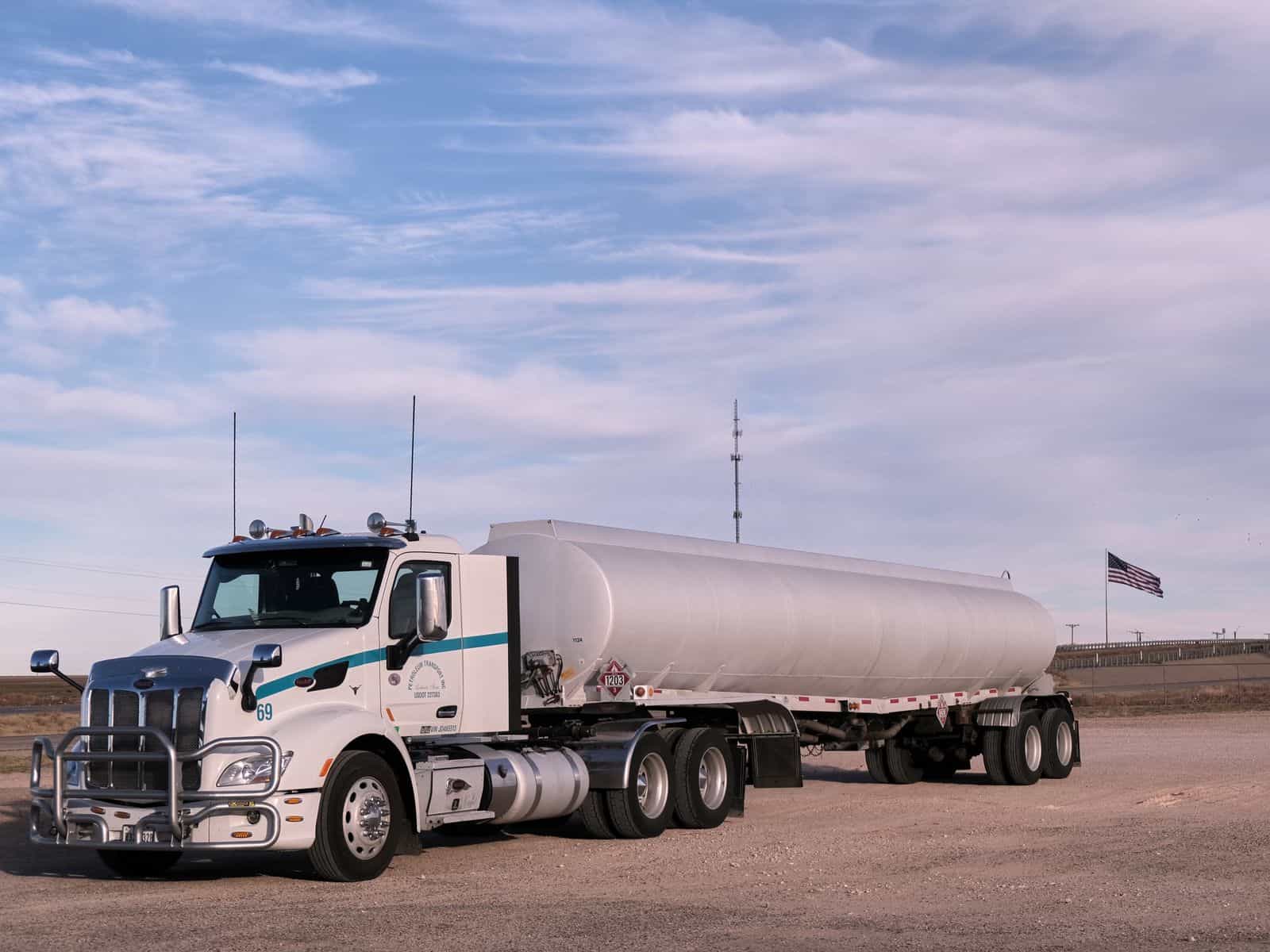
Now widen the lens. The visible site is the smallest part of your marketing. Underneath it sit dozens of performance indicators you'll never see from the surface, and in this profession the missed opportunities look familiar:
- The operator who wasn't ready yet. He suspected his detergent cost more per tank than it looked per drum, couldn't prove it, and wasn't ready to switch. He read one page and left, and nothing gave him a reason to stay in touch.
- The call that came in during a commissioning. A terminal manager with a soil that won't come out, and a customer who wants the trailer back, called while your people were on site three states away. By the time someone called back, another supplier's drum was on the dock.
- The project that spans budget years. A wash bay or treatment system can take months, sometimes years, to decide. The engineer who reads about effluent segregation in March may fund the project the following January, and with nothing keeping you present through that stretch, you're a name she once saw.
- The operator who would choose you, if only he understood. That cost per drum isn't cost per wash, that a drain layout can decide which effluent limits a facility lives under, that the federal effluent guidelines reach smaller bays than most assume. When no one explains it, the decision defaults to the cheapest drum, or to doing nothing.
- The people who sign off but never call. At a carrier's own wash, the decision runs through maintenance, safety, and finance, and at a depot or plant through even more hands. If your site speaks only to whoever orders the drum, the safety director weighing tank entries and the controller weighing a capital request never see why you.
- The accounts that drifted between orders. Chemical accounts are rarely lost to a better website; they're lost to a competitor's visit during a long silence between orders. And the bay you commissioned years ago is nearing an upgrade decision that will be made with whoever stayed in touch.
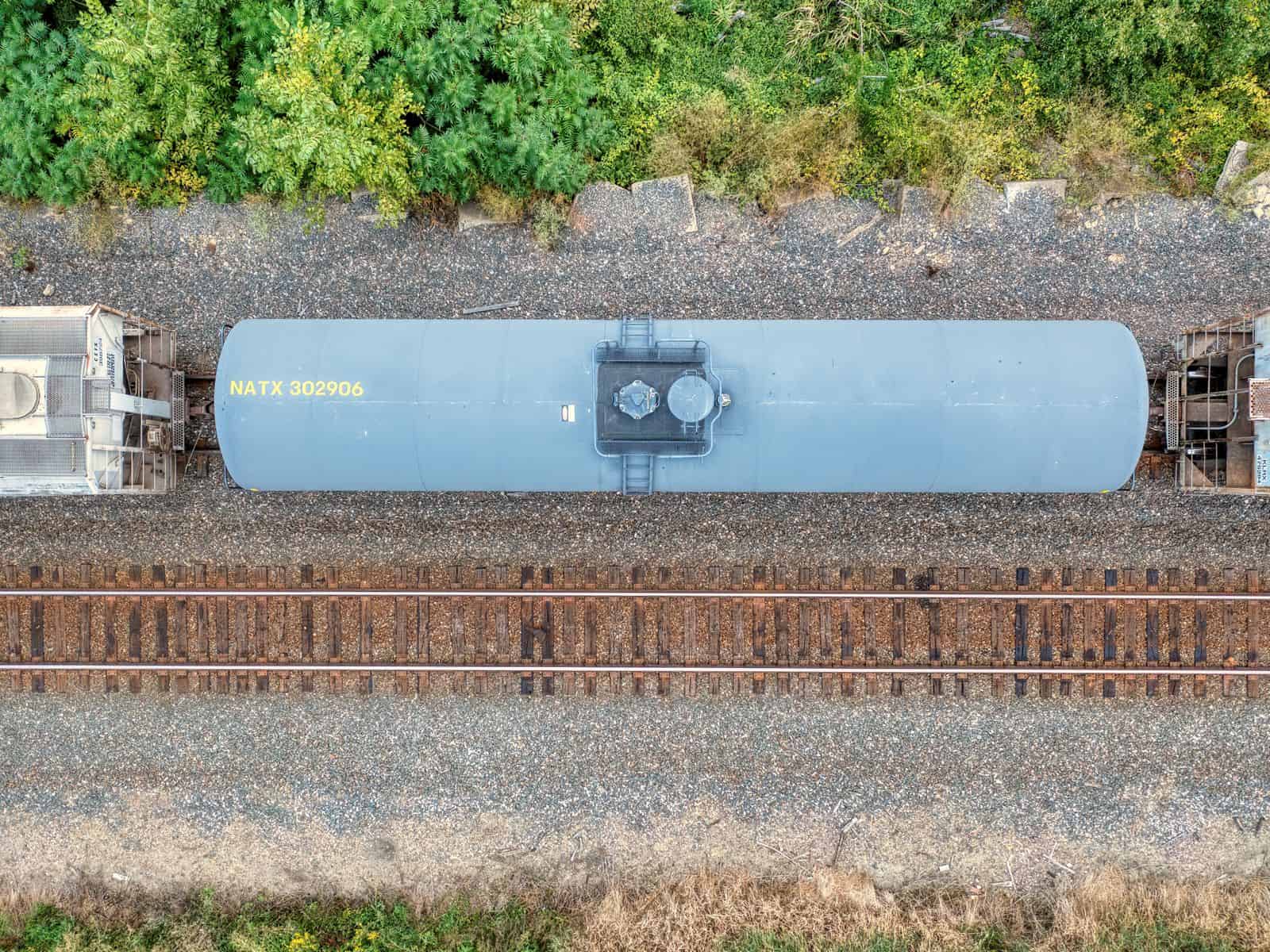
The people you lose never tell you they left.
If you're reading this with a full order book and technicians booked weeks out, this part is for you. Even the busiest, most referral-rich company is invisible to the operators who would choose it but have never met anyone who's used it. It loses warm inquiries to silence during the weeks your people are standing in someone else's bay. And it leaves the not-yet-ready operator, the one whose capital request is still a draft, with nothing until the budget arrives, by which time someone else has been in the room. Often the bigger risk isn't the new customer you never met; it's the one you already sold. Marketing isn't only for the company that's hungry. It protects what you've built, and it compounds it.
Every wash operator looking for what you do can be captured, cultivated, and educated — starting now.
Built For Tank Wash Chemical & Equipment Suppliers
From the First Search to the First Trial on Their Soil
Your website is where wash operators find you. What happens around it decides whether they choose you. Here's how the three stages work together for a tank wash chemical and equipment company:
- Get found. Managed Plus gives you a site that shows an operator which soils you solve, what you make, sell, and service, where your safety data sheets and technical sheets live, and how to describe the problem.
- Get recognized. Managed Premium adds social media and articles that answer what operators are already asking: why a cured resin takes two passes, what a wash really costs per tank, and which effluent rules reach their bay.
- Be remembered. Managed Platinum adds follow-up, newsletters, and booking that stay with an engineer or terminal manager across a capital budget cycle until the project is funded.
Book A Technical Consultation
Three Subscriptions
Three Paths to Success. Choose Where to Start.
Three tiers, each one a real place to begin. Whether your company has never had a website, is in the quiet stretch between system projects, or is ready to run the whole system, there's a starting point that fits where you are today, and each tier contains everything in the one before it.
Managed Plus
A Foundation of Findability, Credibility, and Reliability Through Structure, Google-Friendly SEO, and Profession Insight
Most suppliers in this profession treat a website as a catalog. Managed Plus turns yours into a marketing powerhouse: a proprietary, secure, search-ready platform built by people who took the time to learn how tank cleaning works, understand how operators buy, and speak the language of soils, wash types, and discharge permits. Every page is purpose-built around how an operator actually looks for help — chemistry organized by the soil it removes rather than the product family it belongs to, equipment by the work it has to do, wastewater by the problem it solves — with real on-page SEO and keyword structure behind each one, and profession insight in every line. A terminal manager with a latex problem, a plant engineer weighing a closed loop, a safety director asking how to reduce tank entries: each finds the page written for them, and the technical library that shows you're serious.
Reliability is the third leg, and in a profession where a referred prospect checks you before calling, it matters more than most owners realize. Your site stays up, stays fast, stays secure, and stays maintained, without anyone pulling a chemist or an engineer off customer work to look after it. A site that loads every time is a credibility signal in its own right. This is where your website stops being a line-item expense and becomes an asset.
Managed Plus is complete in itself: a superior foundational build, constructed so that whatever comes later is added, never rebuilt.
Managed Premium
Expanded Funnels That Provide Visibility, Authority, and Consistency
Everything Managed Plus built keeps running. Managed Premium places a second, wider funnel beneath it — the point where your website becomes part of a larger marketing ecosystem. A collaborative marketing calendar, planned with you and timed to how your customers buy: turnaround season in spring and fall, the fall budget season, hurricane readiness before June. Fully managed social media built on strong, coordinated campaigns where engineers and terminal managers spend their working attention, not casual, random posting. Branded evergreen content. And published articles that turn the expertise now filed away as product descriptions into authority search engines can finally see: why a cured resin takes two passes, what a wash costs per tank rather than per drum, why a drain layout decides which effluent limits a facility lives under.
This is where you stop being merely present and start being known.
Credibility says you can do the work. Authority says you're the expert they're looking for.
Because what you sell is regulated, every claim is checked against your own labels, safety data sheets, and trial data, and approved by you before it publishes. A product is called sanitizing, food-grade, or kosher only where the registration or certification behind it exists. And nothing we write says a product or system makes a facility compliant: we describe what your chemistry and equipment do, and leave compliance to the operator, their permit, and their counsel.
Exclusive Territory begins here. At Managed Premium your territory is reserved, so the authority you're building can't be handed to a competing supplier in your segment. With the full Plus foundation running beneath it, Premium is the sensible first step for most companies. For a company whose biggest sales are wash bays, skid packages, and treatment systems decided over months, it's the first step toward Platinum rather than the finish line.
Managed Platinum
An Ecosystem That Captivates, Educates, and Cultivates Your Audience — 24/7
Both funnels above keep running. Managed Platinum adds the growth engine: automated follow-up, drip campaigns, newsletters, monthly lead magnets, and video — plus done-for-you, white-label booking, so an operator who finds you in the middle of a problem can move from attention to a scheduled technical consultation without a single manual step from you or your inside sales team.
This is where attention is captured and cultivated automatically. The operator who downloads your guide to which effluent rules apply becomes a name you know. The engineer researching segregation in March hears from you through the budget season, until the project is funded. The trial that didn't happen gets a second chance. Customers whose bays you commissioned years ago hear from you before their upgrade decision, not after it. Content attracts, systems respond, and follow-up scales without adding administrative burden, and without pulling your chemist or your engineer off the work that pays.
Managed Platinum is the highest-value tier and the destination worth aiming for, and in a profession where one system project can span budget years, it's where many companies should begin. It isn't a ceiling. Once all three funnels are running, smaller ones can be added alongside them, built around how your company actually grows.

Your territory is reserved for you — and only you.
Exclusive Territory
One tank wash chemical and equipment company per territory and segment, first come, first served. Once your territory is reserved, it's yours: a would-be competitor in your segment cannot have it. First to claim it, keeps it. In a profession this small, territory is drawn by what you supply as well as where you supply it — specialty chemistry, wash systems, wastewater technology, or a cargo-class specialty — because a chemistry formulator and a wastewater company aren't competitors even at the same address.
That also answers the question every careful owner asks sooner or later: "Will you be doing this for the company we quote against, too?" Not in your segment and territory, and not while it's reserved for you.
Exclusive Territory begins at Managed Premium. Whether yours is still open is the first thing we'll confirm on your consultation, and the clearest reason not to wait.
Your Language, We Know.
Your Voice, We Want to Hear.
We know this profession from the inside. Your customers clean tanks; you supply what they clean them with, and that difference governs every word. We know the operator usually doesn't know what he needs, only what isn't working, which is why a catalog underperforms and a diagnosis wins. We know a cured resin, a crosslinked latex, or an isocyanate is not general degreasing, that cost per drum is not cost per wash, and that a facility that can't hold temperature and dwell time can't sell the wash types its customers ask for. We know the federal effluent guidelines for transportation equipment cleaning reach further than most operators assume, and that whether food-grade wash water is kept apart is settled at the drain layout, years before anyone writes a permit. We know transportation tanks are permit-required confined spaces, and why a supplier who helps reduce entries is making an argument almost nobody makes. And we know the realities behind every word you publish: a sanitizing claim needs a registration behind it, food-grade and kosher need a certificate, and copy describes what equipment does without ever certifying anyone's compliance. We research your profession's rules closely and flag anything we find for your review, so you decide before anything goes live.
But knowing the profession isn't the same as knowing your company, and we know it. We want to hear what makes yours different: what you make with your own hands and what you specify, the formulation or design nobody else has, the soil you solved after everyone else gave up, the accounts that have been with you for decades, and where you want the company to be in five years, including markets none of your competitors has entered. Your profession we know cold. Your story is what makes the marketing yours instead of a template, and we want to hear every word of it.
No one else will understand your profession like Pinnacle Trax — and no one will take the time to understand your company the way we will.
What More Can We Say
You're the one operators call when nothing else has worked. Your marketing should make sure the ones who haven't met you yet can find you, and keep you close until the budget is there. Right now, an engineer is researching the bay she'll fund next year, territories are being reserved, and the suppliers who publish what they know are becoming the names operators read first. Not reaching out has a quiet cost.
So consider this an invitation, not a pitch. If you're the right fit, let's talk — and if we never talk, you may be leaving something on the table. No pressure. Just a conversation.